Bauchi, Nigeria – April 30, 2026
The Police Officers’ Wives Association (POWA) has called for strengthened collaboration with the Wunti Al-Khair Foundation to enhance support for women, youth, and vulnerable families in Bauchi State.
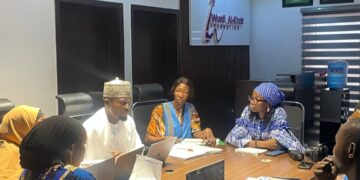
The appeal was made during a courtesy visit by POWA executives, led by the Chairperson, who is also the wife of the Commissioner of Police, alongside other members of the association. The delegation was received by officials of the foundation in a meeting focused on exploring areas of mutual cooperation.
Introducing the association, the POWA Secretary explained that the organization is a non-governmental body dedicated to the welfare of police officers’ wives, their children, and the broader community. She noted that POWA operates under various structures, including the Late Police Officers’ Wives Association (LAPOWA), and is coordinated at the national level by the wife of the Inspector General of Police, with state chapters led by the wives of Commissioners of Police.
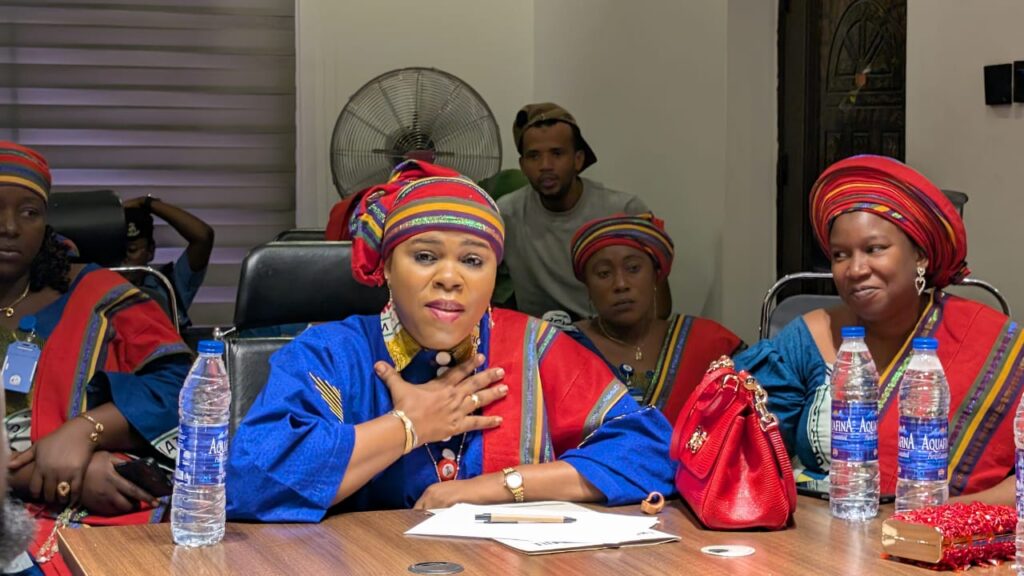
Speaking during the visit, the Chairperson emphasized that POWA’s mission centers on empowering women and youth through skills acquisition, education, and community support initiatives. She highlighted ongoing efforts, including a computer training program for 20 children sponsored by the wife of the Commissioner of Police, with participants expected to graduate in May. According to her, the initiative is aimed at equipping young people with digital skills needed in an increasingly technology-driven world.
The association commended the Wunti Al-Khair Foundation for its impactful interventions in humanitarian services, education, and community development, noting that its activities align closely with POWA’s vision. The delegation expressed a strong desire to partner with the foundation in areas such as vocational training, educational assistance, and support for widows and vulnerable families.
The Chairperson further appealed for inclusion of POWA beneficiaries in the foundation’s programs, stressing that even limited support—such as assistance to a single child or woman—can significantly improve lives, particularly for widows facing economic hardship following the loss of their spouses.
Responding, the Director of Programs at the foundation appreciated the visit and provided an overview of the foundation’s mission, vision, and key intervention areas. He assured the delegation of the foundation’s willingness to collaborate, noting that POWA would be considered in relevant programs and initiatives, especially those targeting education and vulnerable groups, including children who have lost their fathers.
He, however, noted that the scale of interventions would depend on available funding and program timelines, while reaffirming the foundation’s commitment to inclusive and impactful partnerships.
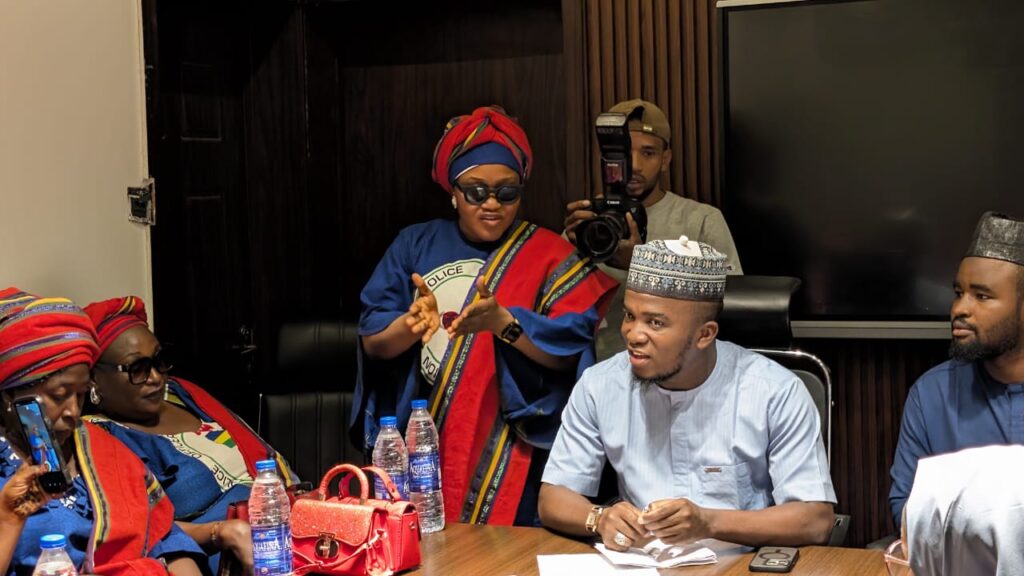
The meeting concluded with both parties expressing optimism about a collaborative relationship that would strengthen empowerment efforts and improve the welfare of women, children, and families across Bauchi State.